

By Sa’adatu Suleiman
Public Relations Officer (KSPHCMB)
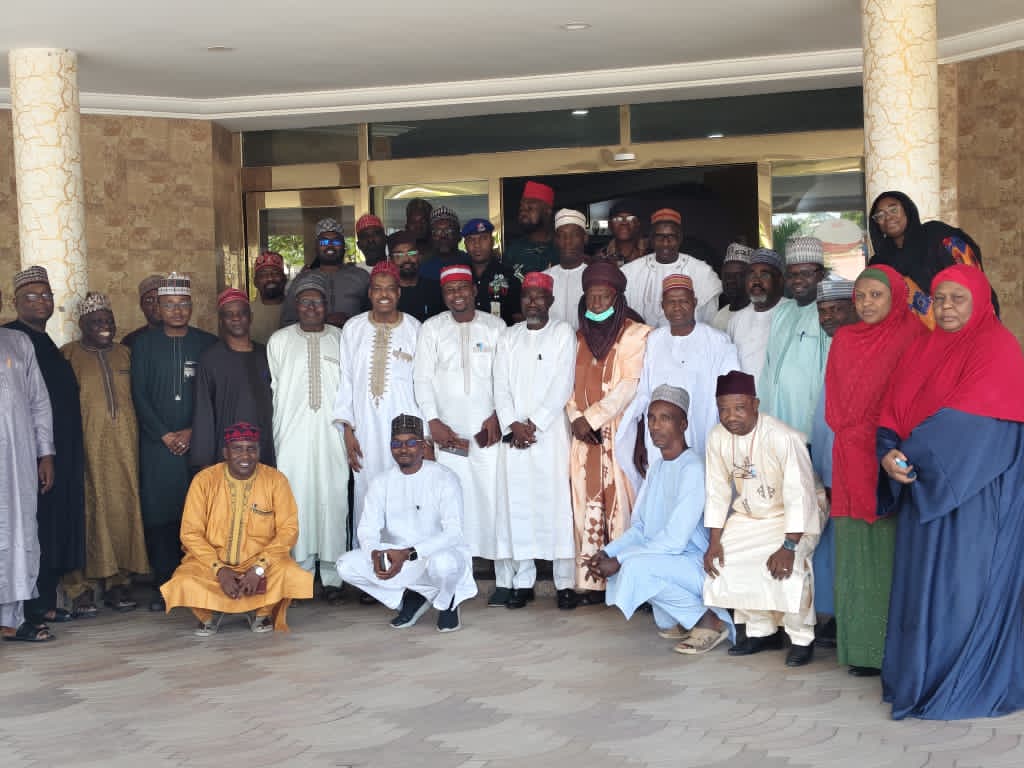
Kano State Primary Health Care Management Board (KSPHCMB)The Kano State Primary Health Care Management Board (KSPHCMB), with support from the FCDO Lafiya Programme, has successfully concluded a three-day Law Review Workshop at Hotel Seventeen, Kaduna State, aimed at strengthening the legal and operational framework for effective primary health care delivery in the state.
The workshop was convened to review progress in the implementation of the existing KSPHCMB Law, identify key achievements and bottlenecks, and recommend areas for review to ensure the law aligns with current realities and emerging health sector reforms.
It also sought to incorporate new state priorities, PHCUOR provisions, and other strategic reforms that will enhance coordination, accountability, and service delivery within the state’s health system.
The sessions were chaired by the Honourable Commissioner for Health, Dr. Abubakar Labaran Yusuf, who commended the initiative as a major step toward improving health governance in Kano State.
He reiterated the State Government’s commitment to ensuring that primary health care remains the cornerstone of the health system, guided by a clear and functional legal framework.
The Director General of the Board, Professor Salisu Ahmad Ibrahim, described the workshop as a timely and strategic move to reposition primary health care in the state.
He emphasized that the review process would help address existing structural gaps, improve coordination, and strengthen accountability mechanisms across all levels of service delivery.
Professor Salisu also expressed appreciation to the FCDO Lafiya Programme for its technical support and long-standing partnership with the Board in driving sustainable health reforms.
Participants, drawn from relevant ministries, departments, agencies, and development partners, were divided into syndicate groups to review key sections of the existing law, identify operational gaps, and develop actionable recommendations for improvement.
The workshop concluded with a collective resolve by stakeholders to build a stronger, more inclusive, and more efficient primary health care system that reflects best practices in governance and service delivery for the people of Kano State.
