
Stakeholders in Kano State are scaling up local strategies and facility-level mentorship through the BOOST Project to bridge routine immunization gaps and protect vulnerable children across underserved communities.
As health systems face mounting pressure to reach vulnerable populations, stakeholders in Kano State are doubling down on an on-the-ground approach to tackle immunization gaps.
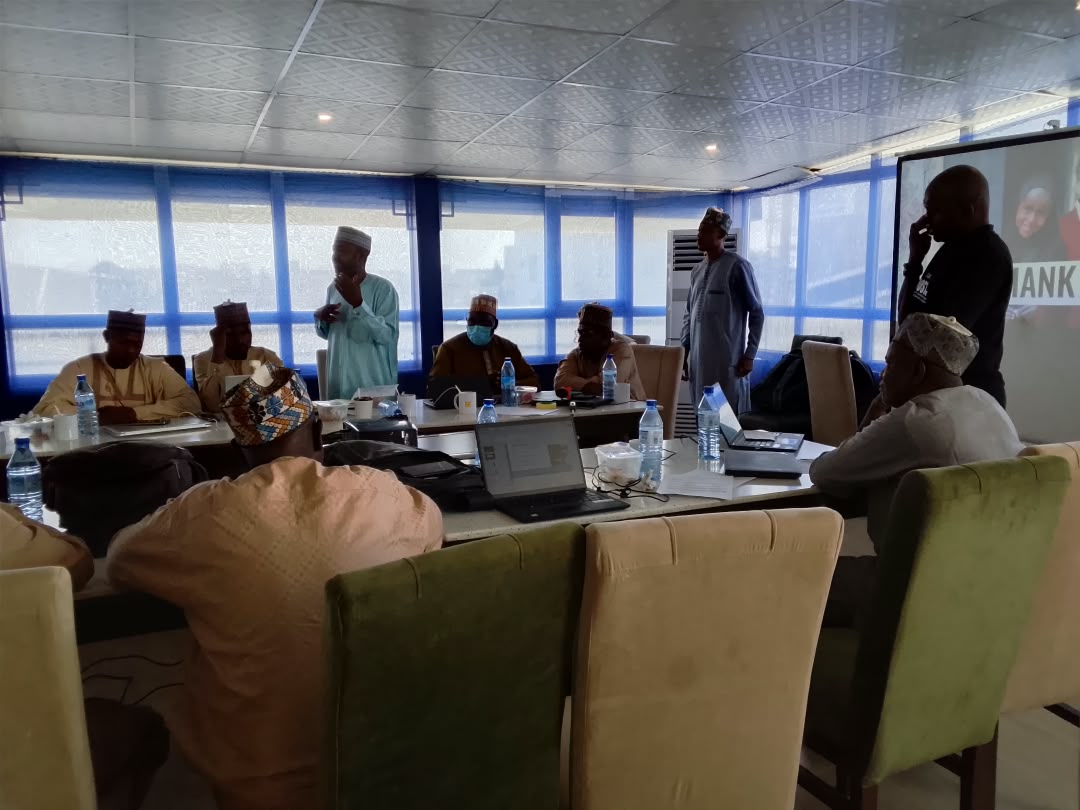
Gathering for a strategic quarter three feedback review meeting with immunisation officers from Ungogo Local Government Area, health officials evaluated the trajectory of the Better Opportunities for Optimal Services and Targeted Immunisation for Zero-Dose and Under-Immunised Children (BOOST) Project.

Funded by GSK and implemented by Save the Children International, the initiative operates across Gezawa and Ungoggo LGAs, deliberately reinforcing existing government health infrastructure.
Dr Bukar Abubakar, the Child Health and Immunisation Specialist for the BOOST Project in Kano, noted that a side-by-side comparison with the initial baseline assessment reveals measurable headway across core thematic areas. According to Abubakar, the gathering served not only to measure performance and honor frontline health workers, but also to crowdsource collective solutions for persistent hurdles.
He credited the Kano State Government for creating an enabling environment that allows the technical support framework to thrive.
Lawan Jafar, Head of Routine Immunisation in Kano State and PM SERICC, emphasized the value of examining the past three months of performance data from the two project areas of Gezawa and Ungogo.
Jafar pointed out that the project relies on direct, facility-level mentorship where seasoned mentors visit health workers on-site to provide hands-on guidance to mentees, bypassing the limitations of repetitive theoretical training.
This direct coaching model builds professional rapport and sharpens practical competencies where it matters most.
Salisu Yusuf, Chairman of the Kano Community of Practice on Immunisation and Accountability (KN-CoP), stressed the importance of long-term planning and sustainability.

Warning against the risk of losing ground once partner programs conclude, Yusuf urged state authorities and stakeholders to institutionalise successful frameworks and scale them across Kano’s wider network.
With 15 local government areas currently flagged for zero-dose challenges, he called for tighter coordination among development partners to eliminate duplication and ensure every underserved community is reached.
During the two-day feedback meeting, health officials and other stakeholders reviewed the project’s progress, identified implementation challenges and discussed measures to improve immunisation services.

The BOOST Project operates in Gezawa and Ungogo local government areas to reduce the number of zero-dose and under-immunised children, giving children the opportunity to grow healthy and be protected.
Speaking at the event, Project Manager Malam Abdullahi Magama said the engagement was designed to assess activities on the ground, identify challenges and agree on practical steps to improve routine immunisation services.
He expressed satisfaction with participants’ willingness to discuss the challenges openly, stressing that honest feedback was essential to achieving better results.
Dr. Nafi’u Muhammad Haruna, the project’s Child Health and Immunisation Officer in Kano, said available statistics presented at state and national levels indicated progress in routine immunisation across the state.
He explained that the meeting also provided an opportunity for stakeholders to assess the project’s impact and identify areas requiring improvement.
Haruna urged parents to prioritise their children’s immunisation rather than wait for incentives before taking them for vaccination.
He identified misconceptions and limited awareness of the benefits of immunisation as major barriers in some rural communities, including Gezawa, while also raising concerns about cases where some male spouses reportedly prevent their wives from taking children for vaccination, calling on male parents and community leaders to encourage families to embrace immunisation.
The Primary Health Care Coordinator in Gezawa, Ali Uba, said the meeting had exposed discrepancies in programme records that required attention.
He cited figures presented during the review showing 34 RISS entries against 70 mentorship records, describing the difference as a gap that needed to be reconciled.
Uba said he had planned a meeting with the local government health team to review the records and implement corrective measures, adding that accurate documentation was essential for monitoring progress, identifying weaknesses and ensuring that reported activities reflected what had actually been achieved.
The coordinator urged health workers to carry out their responsibilities honestly and diligently, stressing the importance of accountability in delivering effective immunisation services.
Ultimately, the feedback meeting forms part of broader efforts to strengthen routine immunisation in Gezawa and ungogo LGA health facilities, with stakeholders emphasizing better data management, community awareness and sustained collaboration between health authorities and development partners.
With 15 local government areas in Kano reportedly facing zero-dose challenges, stakeholders said sustaining existing interventions and extending effective approaches to underserved communities remain vital to ensuring that every child receives essential vaccines.