



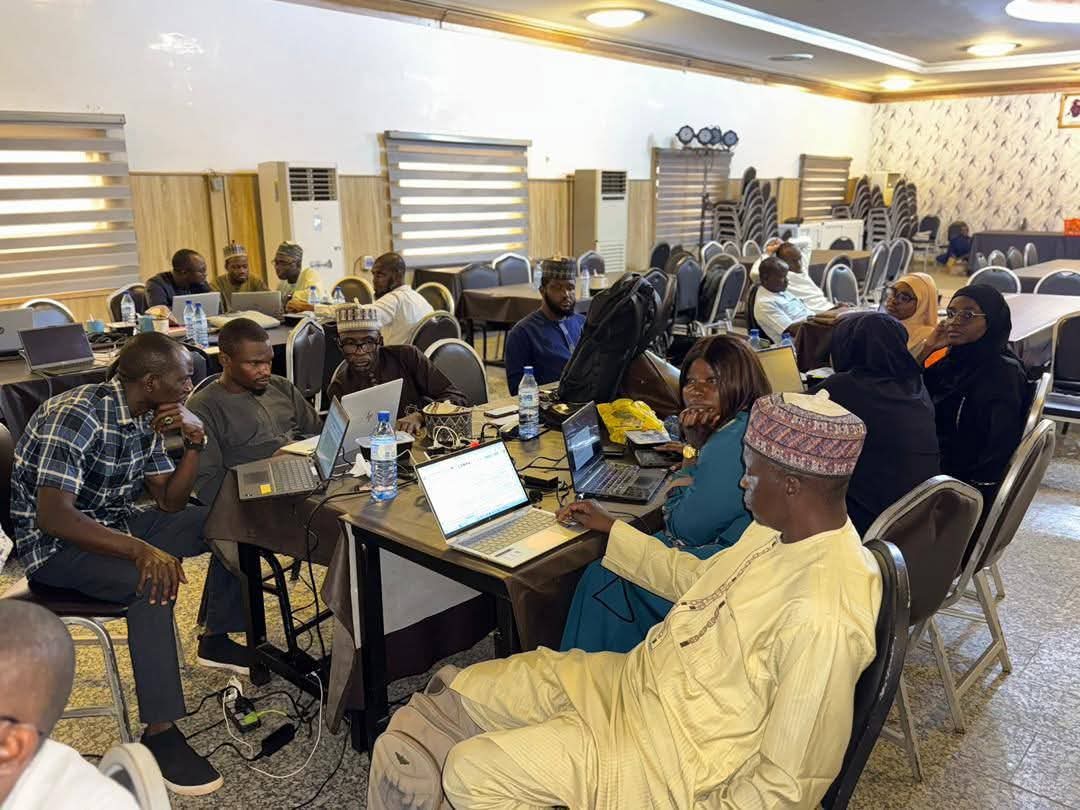
The Kano State Primary Health Care Management Board, in partnership with Save the Children, Nigeria and the Clinton Health Access Initiative, has successfully concluded a two-day workshop for the development of the draft 2027 Routine Immunization (RI) Work Plan, with stakeholders providing technical inputs and strategic recommendations to strengthen immunization planning and implementation across the state.
The workshop was held at Millennium Hall, Tahir Guest Palace, Kano.
Read also: Commissioner Women Affairs Pledges Support For VAPP Law in Kano


The workshop brought together key stakeholders, thematic leads, implementing partners, and technical teams to review the performance of the 2026 RI work plan, assess implementation gaps, and define strategic priorities for 2027.
READ ALSO:Traditional Leaders Step Up to Boost Immunization in Kano Commits to Protecting Every Child
The first day focused on reviewing evidence, identifying programme gaps, refining thematic activities, and validating proposed interventions through thematic group presentations and plenary discussions.

During the workshop, the Director of Disease Control and Immunization, Dr Tijjani Habibu encouraged all thematic areas to critically review their 2026 work plans and develop the 2027 plan based on findings from the Situation Analysis (SITAN).
The thematic groups presented their proposed activities, which were reviewed by participants, allowing for constructive feedback, observations, and recommendations to ensure stronger alignment with identified priorities.
Read also: Kano Gov launch Abba care initiatives enroll over three Hundred thousand individuals
The evidence reviews highlighted key implementation challenges requiring attention in the 2027 plan, including partner coordination, programme management, supply chain performance, supportive supervision, governance structures, financial accountability, and data quality management.
These findings emphasized the need for stronger linkage between activities, available evidence, micro plan data, measurable targets, ownership, and accountability mechanisms.
The Director-General of KSPHCMB, Prof. Professor Salisu Ahmed Ibrahim, charged thematic groups and Routine Immunization partners to change the narrative in 2027 by ensuring that persistent challenges affecting immunization coverage, particularly those related to zero-dose LGAs, are fully addressed. He emphasized the importance of stronger coordination, accountability, and targeted interventions to reach unreached and under-immunized children.
The workshop concluded with thematic groups tasked to finalize outstanding adjustments, including activity alignment, costing, budgeting, ownership, and partner contributions.
READ ALSO:Kano Tricycle Unions Commit to Driving Routine Immunization as BOOST Project Mobilizes Over 130 Male
Participants agreed that the final 2027 RI Work Plan must be evidence-driven, clearly define responsible actors, incorporate measurable outputs, and establish effective monitoring mechanisms to improve immunization outcomes across Kano State.
Read also: NOA Advocates for Societal reorientation To Revive Moral Values
The successful conclusion of the workshop marks a significant step toward strengthening Routine Immunization delivery in Kano State.
Through collaborative planning, evidence-based interventions, and renewed commitment from government and partners, stakeholders reaffirmed their resolve to address existing gaps, improve accountability, and ensure equitable access to life-saving vaccines for every eligible child, especially those in zero-dose communities.


