
The Kano State Government has urged newly recruited health personnel to show unwavering dedication in the fight to eliminate maternal and neonatal mortality across the state.
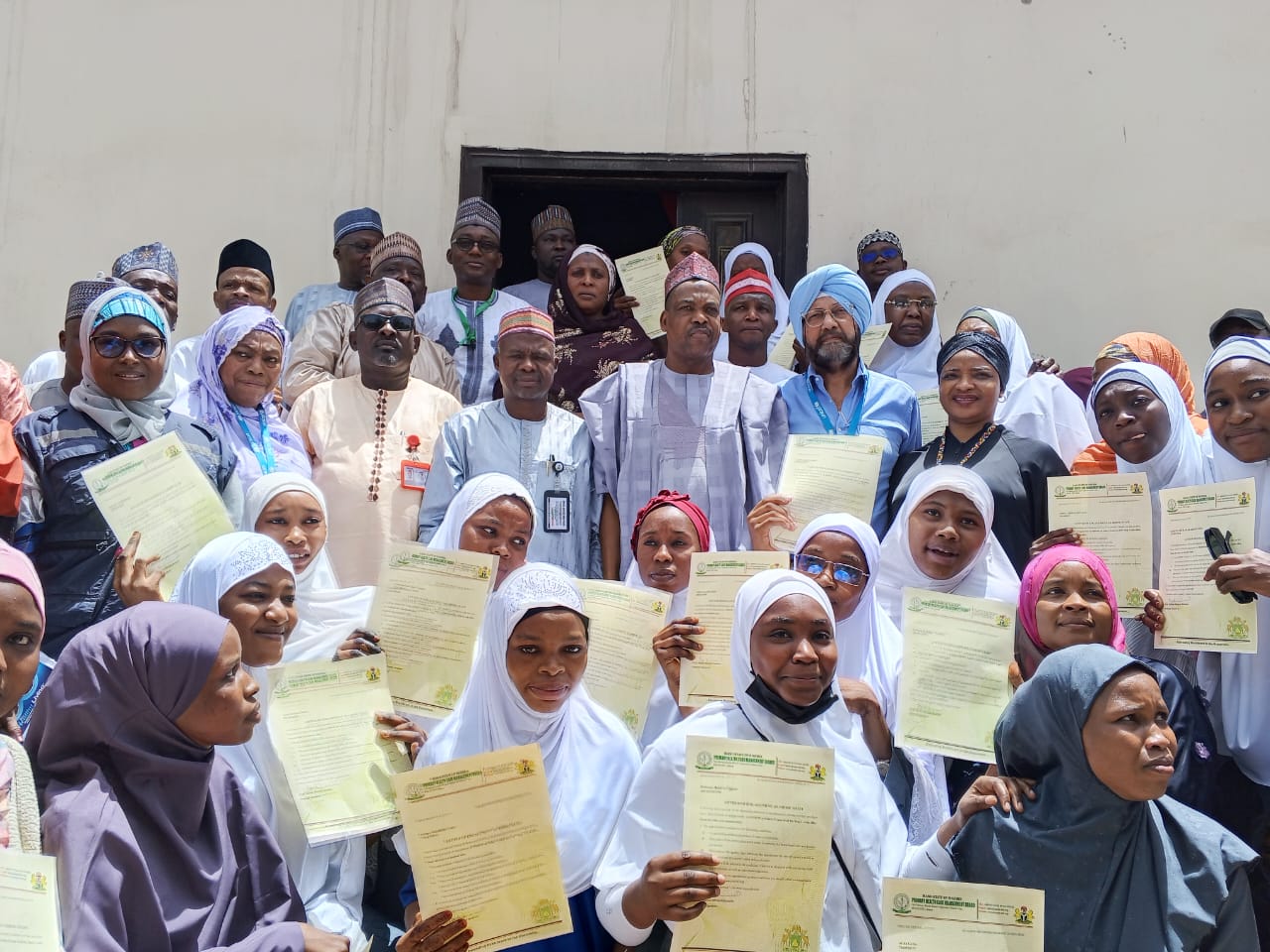
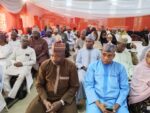
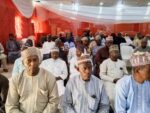
Speaking during the distribution of engagement letters, the Commissioner for Health, Dr. Abubakar Labaran Yusuf, emphasized that while recent surveys show a slight decline in mortality rates, the current figures remain unacceptably high and must be curtailed.


Dr. Yusuf highlighted that the recruitment process was strictly merit-based. He expressed optimism that the synergy between the state, the National Primary Health Care Development Agency (NPHCDA), and the Federal Ministry of Health would lead to a significant shift in safeguarding the lives of pregnant women and children.
The recruitment includes:
716 Community-Based Health Workers (CBHW)
380 Skilled Birth Attendants (SBA)
These professionals will be deployed across 18 selected Local Government Areas (LGAs) currently facing the highest burden of maternal and infant death.

READ ALSO:MNCH CHAMPIONS TRAINED TO CURTAIL MATERNAL MORTALITY IN KANO
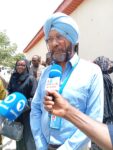
In his remarks, the Officer-in-Charge and Chief of the UNICEF Field Office in Kano, Dr. Karanveer Singh, described the initiative as a “historic milestone” on Kano’s journey toward Universal Health Coverage (UHC).
“By professionalizing, equipping, and digitizing the roles of community workers, these health heroes are not just delivering services—they are delivering hope, dignity, and quality care directly to the doorsteps of those who need it most,” Dr. Singh stated.
He further commended the government for addressing critical needs such as training and adequate remuneration, noting that such investments are essential for keeping health workers motivated in rural and underserved areas.

READ ALSO:KANO HOSPITAL MANAGEMENT BOARD TO CRUSH MATERNAL AND NEONATAL MORTALITY
Dr. Singh urged the new recruits to see themselves as the backbone of this transformation, noting that investing in the health of women and children is an investment in the nation’s future.
UNICEF concluded by calling for the sustainability of this program, urging the state to expand the initiative beyond the initial 18 LGAs to ensure that no community is left behind in the quest for a healthier Nigeria.