

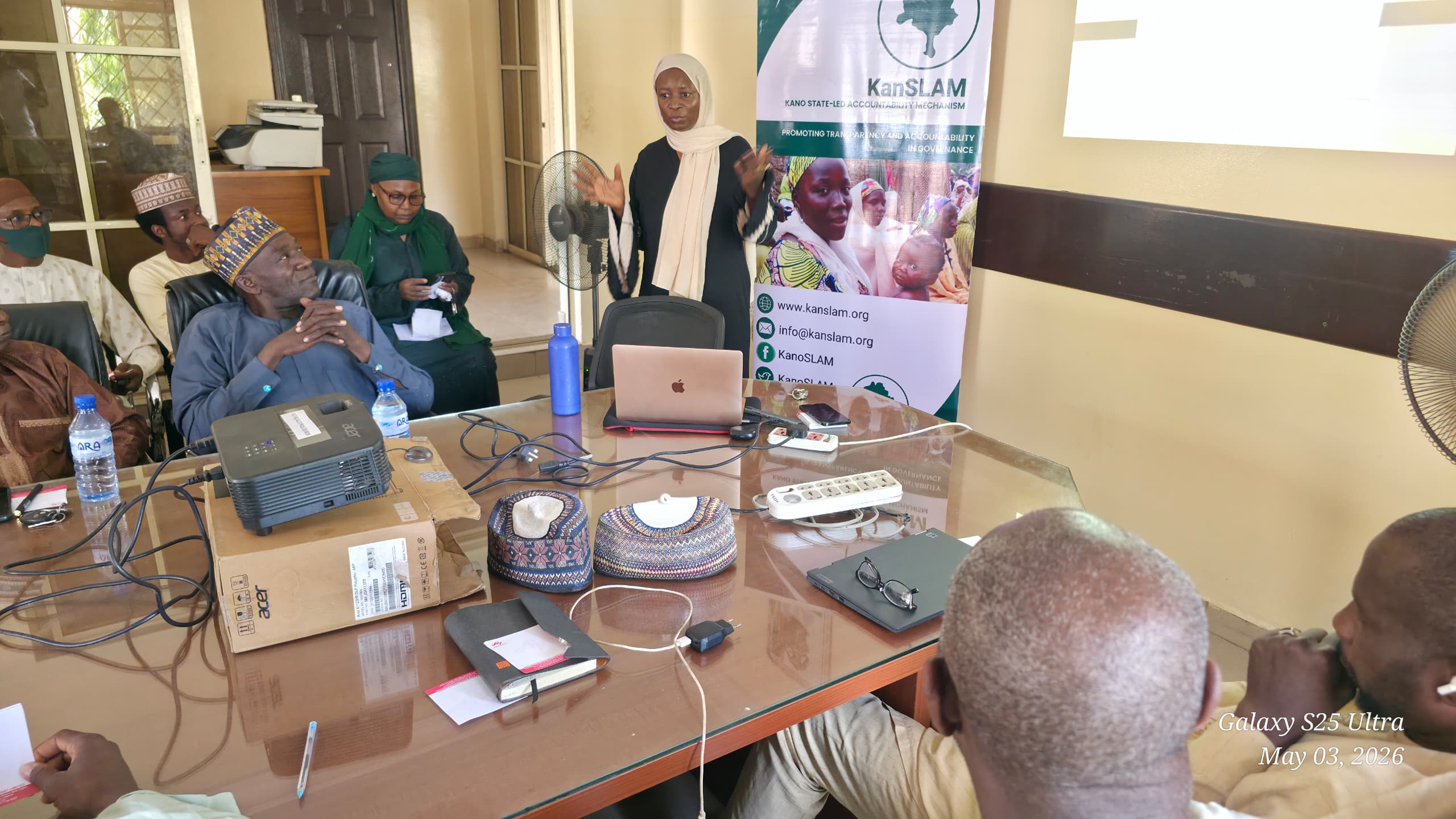
In a high-level strategy session, a coalition of Civil Society Organizations (CSOs), media professionals, and youth leaders met to bridge the “deadly gap” between healthcare services and the communities that need them most.
While money is often blamed for healthcare failures, Dr. Farida Azira Abdul Malik representing the kanSlam co-chair pharmacist Maimuna yakubu Muhammad argues that the real solution lies in transparency and ownership.
Read also: UNGOGO LGA COMMENCE DISTRIBUTION OF 348,900 INSECTICIDE TREATED MOSQUITO NETS


“Funding is never enough,” Dr. Abdul Malik noted.
The Primary Healthcare Centers (PHCs) must be accountable for every naira spent, and the community must realize these services belong to them.
READ AlSO:KNSG UPGRADES 208 PHC FACILITIES FOR HYPERTENSIVE CARE SERVICES IN THE STATE
when communities feel they “own” their local clinics, the quality of care rises.
Zainab Nasir, Executive Director of YOSPIS, highlighted that the biggest barrier for young people isn’t a lack of interest, but a lack of awareness.

“This engagement is crucial to getting youth on track to participate fully in community development,” she said.
Read also: NIGERIA @ 65:Hon Jamilu Abubakar Dambatta Celebrates
For the first time, youth are being positioned as the primary engines of health advocacy.
As the largest demographic in Kano, their voices have been historically side-lined in policy-making.
READ AlSO:KanSlam Agitates for Steady Budget funds on MNCH, Family Planning

On his part, a member of the Disability Projects Initiative (DPI) Seifulahi Moktar Sadiq issued a powerful reminder said persons with disabilities must be integrated into every health initiative.
“This is a neglected area,” Sadiq stated, pledging that future advocacy will ensure specialized inclusion within the healthcare system.


To see immediate results, the coalition is focusing on “High Impact” interventions cost-effective actions that save the most lives for the least cost.
Read also: DG KASA URGE APPROPRIATE PAYMENTS OF SIGNAGE AND ADVERTISEMENT TO BOOST KANO REVENUE
As Most maternal and infant deaths in Kano are preventable.