



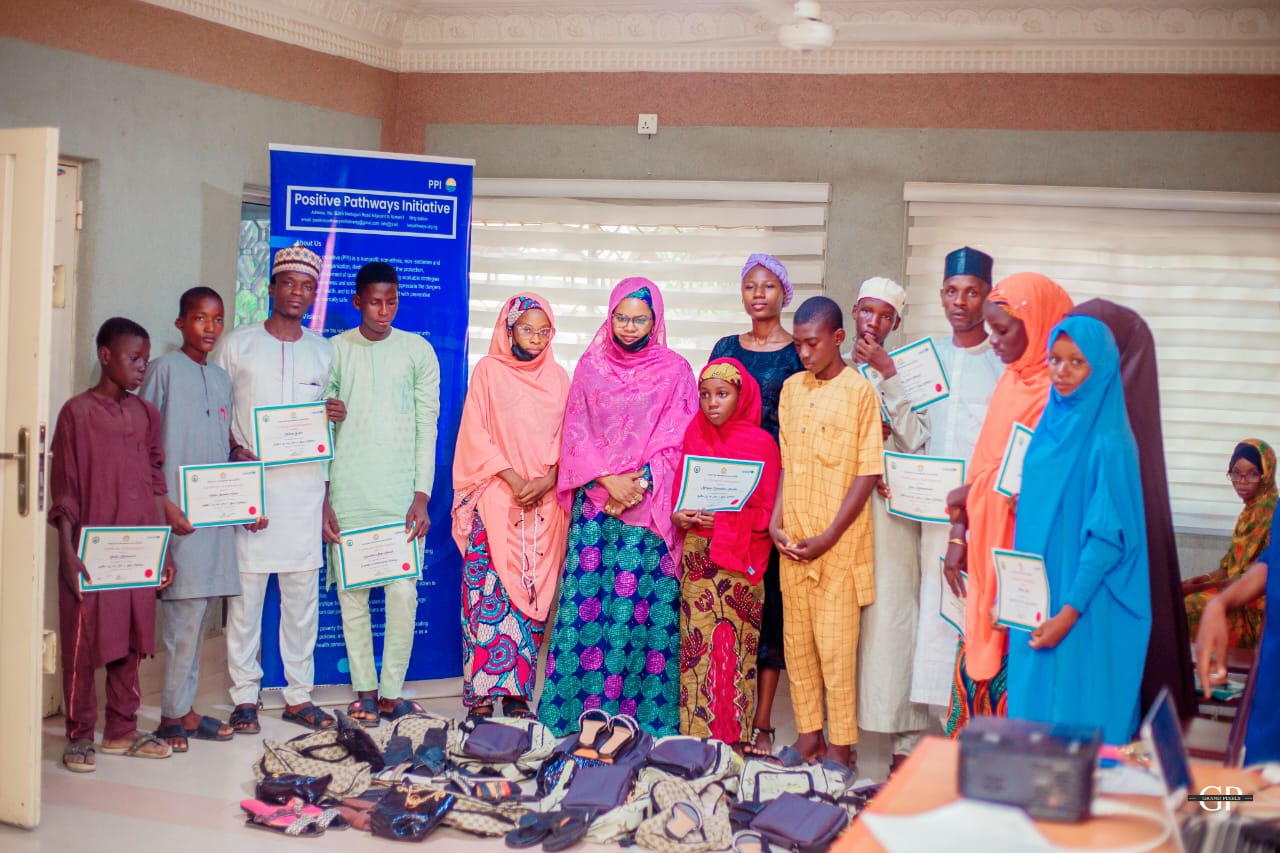
Driven by growing concerns over unaddressed psychological conditions, Ruqayya Umar Tofa, Founder and Executive Director of the Positive Pathways Initiative, is leading community-level efforts to expand access to mental healthcare and dismantle social stigma across Kano State.
The grassroots non-profit was established to address the critical gaps in local mental health services, inadequate facilities, and limited public awareness.
Read also: HEALTH SECTOR PARTNERS MEDIA TO STRENGTHEN PHC DELIVERY ACROSS THE COUNTRY
In Northern Nigerian communities like Kano, psychiatric conditions often carry severe social stigma or are misattributed solely to non-medical causes, delaying timely intervention.
According to Tofa, the most prevalent mental health challenges currently affecting populations in Kano include:Depression, Anxiety Disorders,Schizophrenia,Substance-Induced Psychotic Disorders.
These issues disproportionately affect vulnerable groups, particularly women, children, and adolescents.
READ ALSO:HEALTH SECTOR PARTNERS MEDIA TO STRENGTHEN PHC DELIVERY ACROSS THE COUNTRY
The surge in substance-induced psychosis among youth and widespread depressive conditions highlight an urgent need for targeted intervention.
”Positive Pathways Initiative was founded out of a deep concern for the rising prevalence of mental health conditions and the persistent stigma surrounding mental illness,” Tofa stated. “We are committed to bridging the care gap through early awareness, community education, rehabilitation, and direct psychosocial support.”
The organization focuses on multi-projected solutions to improve public health outcomes such as
- Awareness & Advocacy: Educating families, teachers, and leaders to recognize early warning signs of emotional and mental distress.
- Stigma Reduction: Re-orienting community perceptions to view mental illness as a treatable health condition rather than a social defect.
- Support & Rehabilitation: Providing counseling, mentorship, and empowerment programs to reintegrate vulnerable individuals into society.
Through these tailored interventions, the Positive Pathways Initiative aims to build sustainable support systems and ensure accessible mental health wellness for communities across Kano.
Key contributions include:
Legislative Drafting & CSO Validation: Drafted the Kano State Mental Health Bill (2022) and convened a Civil Society Organisations’ Validation Meeting for multi-stakeholder review and adoption.
Correctional Health Policy & Reporting: Submitted the proposed Mental Health Law along with a comprehensive report detailing the mental health conditions of correctional facility inmates on July 3, 2023, outlining actionable policy recommendations.


Legislative Engagement: Conducted targeted advocacy visits and sent formal letters to both the former and current Speakers of the Kano State House of Assembly to secure official sponsorship for the bill.
Executive Appeals for Domestication: Formally petitioned the Executive Governor of Kano State to domesticate the National Mental Health Act and establish a State Mental Health Review/Assessment Board.
Read also: KANO MINS OF CULTURE AND TOURISM EMBARK IN BOOSTING TOURISM IN THE STATE
READ ALSO:World Sickle Cell Day: Kano Enrolls 30,000 Patients in Free Healthcare through AbbaCare Programme
Disaster & Emergency Collaboration: Engaged in strategic meetings with the State Emergency Management Agency (SEMA) and key partners to integrate mental health support into relief and emergency response protocols.
Media Mobilization & Public Awareness: Leveraging national awareness events including annual World Mental Health Day commemorations to draw public and government attention to critical issues, such as severe essential psychotropic drug stock outs.


Speaking in an exclusive interview, Dr. Abdullahi Akilu, a Consultant Psychiatrist in the Addiction Unit at the Federal Neuropsychiatric Hospital, Dawanau, emphasized that mental health disorders carry no racial or social boundaries.
He said that the Mental health conditions now account for approximately 10.1% of the global burden of disease, with an estimated one billion people affected worldwide.
Speaking in an exclusive interview, Dr. Abdullahi Akilu, a Consultant Psychiatrist in the Addiction Unit at the Federal Neuropsychiatric Hospital, Dawanau, emphasized that mental health disorders carry no racial or social boundaries.
According to the World Health Organization (WHO), health is a complete state of physical, mental, and social well-being Dr Akilu said,”.
As the Key conditions range from mild to severe and which include Common Disorders Depression, anxiety, and substance use disorders.
While Severe Conditions are Psychosis, schizophrenia, and various neurological disorders.
Dr. Akilu highlighted that recognizing early signs and symptoms significantly improves long-term recovery prospects.
For individuals or caregivers noticing symptoms, primary healthcare facilities should serve as the initial point of contact. If the condition is severe, patients are promptly referred to specialized psychiatric facilities for tailored clinical care.
He then said that medical treatment, robust social support systems are essential.
Dr. Akilu then called for active community engagement to help individuals maintain stable mental health.
He also urged media organizations to use their platforms to educate the public and dismantle harmful stigma, stressing that mental health conditions can affect.
Read also: Kano Ministry of Women Affairs, UNICEF Collaborates on Child Protection Initiatives
Mallam Adamu Saulawa, a resident of Saulawa community in Garin Mallam Local Government Area, shared that he initially believed his child was affected by a supernatural occurrence.
However, after seeking professional advice, it was revealed that the child had a treatable mental health condition, from which he has since recovered and been discharged from the hospital.


